Systems · Scale · Physical goods

Six years building systems for MNCs. Then I built my own company to ₹100 crore.

I started out designing systems for Tata Communications, Infosys and Bharti Airtel. Then I left and started my own business in auto parts and accessories. It grew past ₹100 crore, profitable and debt free, and the TVS Group came in.

Doing both taught me something I did not expect about what actually holds a growing company together. That is what I write about here.

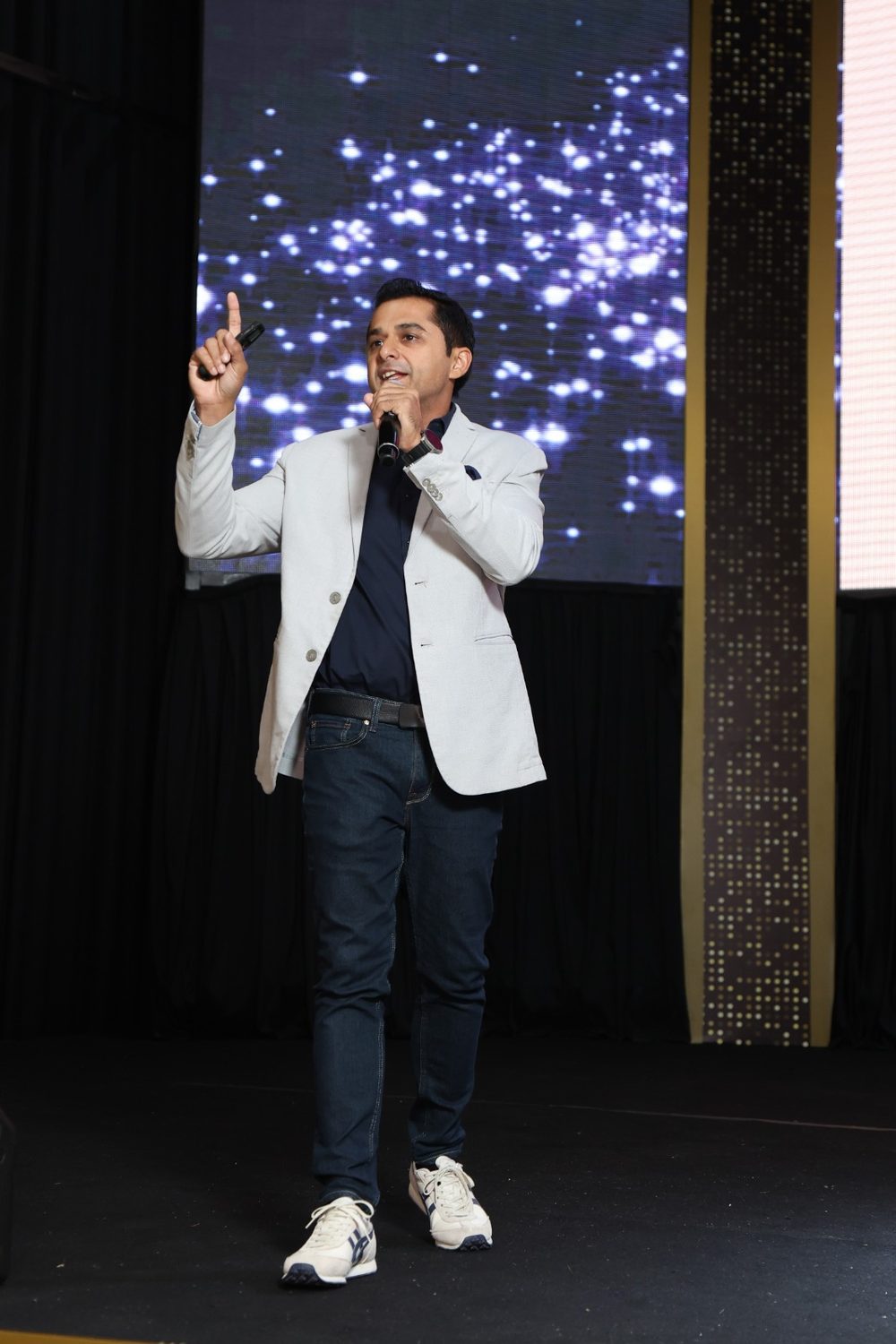
Sunil Dhingra speaking on stage
₹100+ Cr
Bootstrapped · debt free
2,50,000
SKUs curated
150+
Distributors
15,000
Retail stores
01 / Record

Recognised for the work along the way.

Awards from the industry, from the group, and coverage in the business press.

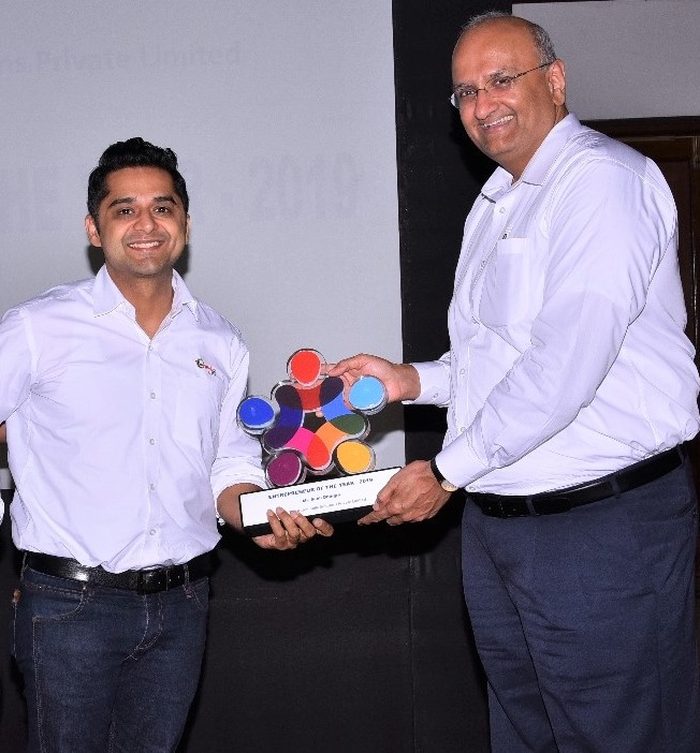
Receiving the Entrepreneur of the Year award
Entrepreneur of the Year
TVS Group
At the Frost and Sullivan awards
Frost & Sullivan
Industry
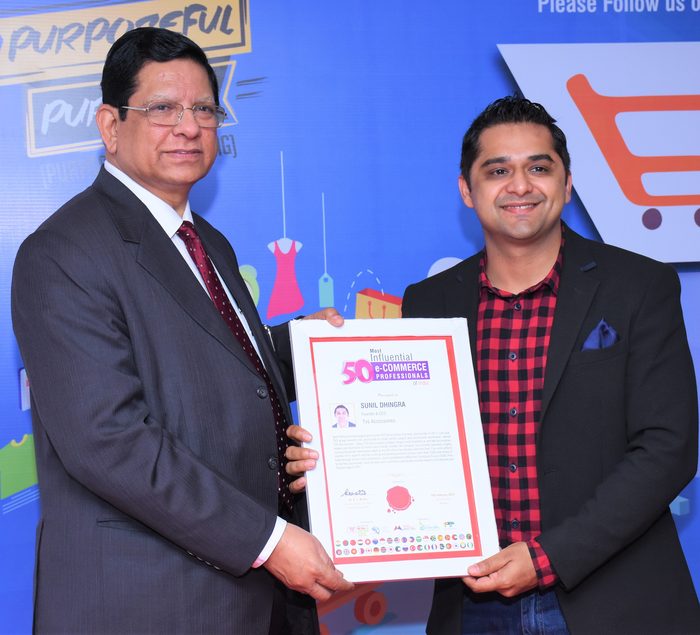
Most Influential eCommerce Professionals award
Most Influential eCommerce Professional
E-commerce
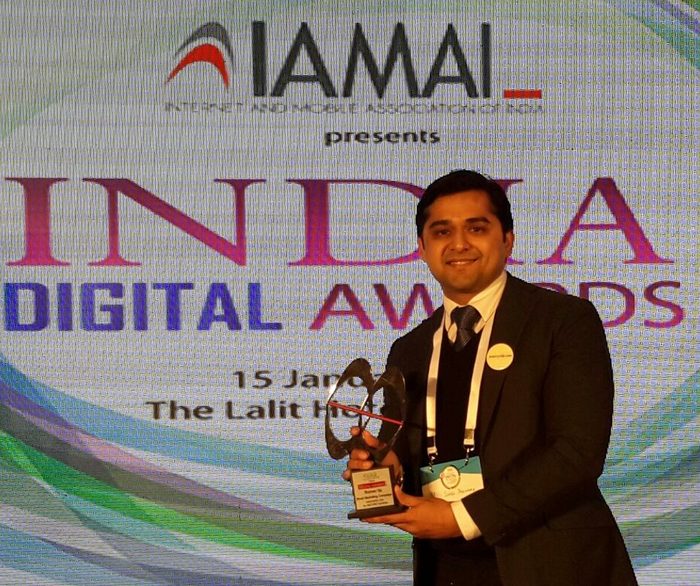
IAMAI Best Email Marketing award
Best Email Marketing
IAMAI
India's Young Entrepreneur Award#1 Car Accessories Brand · 2019Top 25 e-Commerce ProfessionalsTop 100 Retail Minds of IndiaNational Award for Marketing ExcellenceMobility IndiaBusiness World
02 / Journey

Twenty years, and the two halves of it.

01

Formal grounding

Computer science at Delhi University. Then a full-time MBA in Systems and Finance at Symbiosis (SIDTM), Pune.

02

Systems inside large companies

Tata Communications, Infosys and Bharti Airtel, 2006 to 2011. Solution architecture, Siebel CRM, enterprise accounts. The work was systems and scaling.

03

The physical-goods test

Jazzmyride, from 2011. 2.5 lakh SKUs, direct tie-ups with 55+ brands, selling across 28 marketplaces. India's number one online business for auto parts and accessories.

04

Scale changes the problem

The TVS Group invested in 2016 and fully acquired in 2019. The business moved from marketplaces to distribution — 150+ distributors, 15,000 stores, 100% cash and carry.

05

The SaaS experiment

I tried a lot of products. I learned what individual SaaS tools cost you once they stop talking to each other, and how little the sales promise has to do with a lean team's day.

06

What I make videos about now

What I learned putting the right foundation under a growing company. I am not selling software or consulting, so I can say plainly what worked and what did not.

03 / Learned

Every time we grew, the same thing broke.

Orders in one system, stock in another, payments in a third, and the team on WhatsApp. Every month we spent days arguing about whose number was right before we could decide anything.

So I tried a lot of SaaS products. Each one solved its own slice and quietly created another island. The sales promise never met what a lean team actually needs on a Tuesday afternoon.

What finally worked was unglamorous. Put the whole company's data in one place, then write the rules that run on top of it. Early on, a Google Sheet would have done the job. At 150 distributors it would not have. Knowing which tool fits the size you are actually at is most of the skill.

RULE 01

One place for the data

Orders, stock, people, money. Once it all sat together, most of the arguing stopped.

RULE 02

Rules that run on top

A business rule is a decision you stop making by hand. We had hundreds and had written down none of them.

RULE 03

What it cost us first

Five tools, five versions of the truth, and a team that spent its day reconciling instead of selling.
04 / Video

Twenty years of getting it wrong first.

Short videos on systems, scaling and the mistakes that repeat. Published on YouTube and LinkedIn.

05 / Follow

The conversation happens on the platforms.

Everything gets posted first on LinkedIn and YouTube. Follow wherever you already spend your time.